Elephant Vector Clipart – 60 Designs: A Practical Guide for Creators and Entrepreneurs
Integrating high-quality graphics into your creative workflow can significantly elevate the professionalism of your final products. The Elephant Vector Clipart – 60 Designs collection offers a robust solution for designers, crafters, and small business owners looking to expand their visual assets. However, simply purchasing a digital bundle is not enough to guarantee success. Many users overlook critical technical details regarding file formats, licensing, and application methods, which can lead to frustrating results or wasted resources. Understanding how to properly utilize this premium collection ensures you maximize its value across various platforms, from cutting machines to print-on-demand services.
Understanding the Digital Nature of the Product
One of the most common misunderstandings among first-time buyers of digital assets is the expectation of a physical delivery. It is crucial to recognize that Elephant Vector Clipart – 60 Designs is a digital download only. No physical product will be shipped to your address. This distinction is vital for planning your project timelines. If you are preparing for an urgent craft fair or a last-minute client deadline, you must account for the time required to download, unzip, and organize the files on your local device.
Failure to understand this can lead to unnecessary panic or customer service inquiries. To avoid this, ensure you have a stable internet connection and sufficient storage space before initiating the purchase. Once downloaded, the files arrive in a single ZIP archive. Beginners often struggle with extracting these files, especially on mobile devices or tablets. It is advisable to use a computer for the initial download and extraction process to maintain file integrity and organization. Create a dedicated folder on your hard drive specifically for this collection to keep your assets accessible and clutter-free.
Navigating File Formats for Optimal Results
The collection includes three distinct file formats: SVG, PNG, and PDF. Each serves a specific purpose, and using the wrong format for your intended application is a frequent error that compromises quality.
- SVG Files: These are scalable vector graphics, ideal for use with cutting machines like Cricut and Silhouette. They allow you to resize designs without losing clarity, making them perfect for vinyl decals, iron-ons, and intricate paper crafts.
- PNG Files: These feature transparent backgrounds at 300 DPI, suitable for high-resolution print projects and sublimation. They are raster images, meaning they should not be enlarged beyond their original dimensions without pixelation.
- PDF Files: These are excellent for templates, posters, and printable crafts where vector scalability is needed but editing software is limited.
A common mistake is attempting to use PNG files for vinyl cutting. Since PNGs are raster-based, cutting machines may struggle to detect clean cut lines, resulting in jagged edges or failed cuts. Conversely, using SVG files for simple photo printing without proper conversion can sometimes lead to color interpretation issues depending on the printer driver. Always match the file type to your tool: use SVGs for cutting and layering, and PNGs for direct printing or sublimation heat transfer projects.
Design Versatility and Application Errors
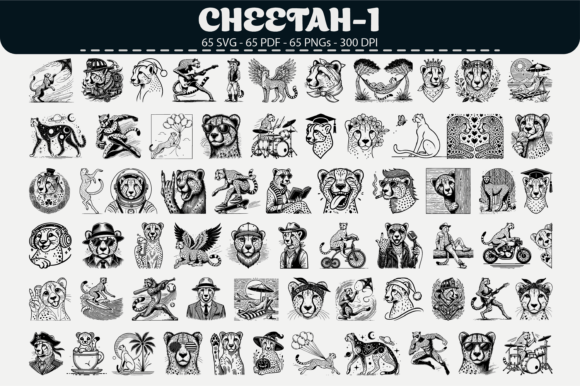
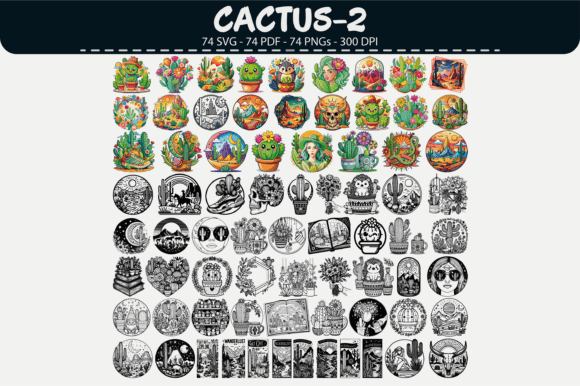
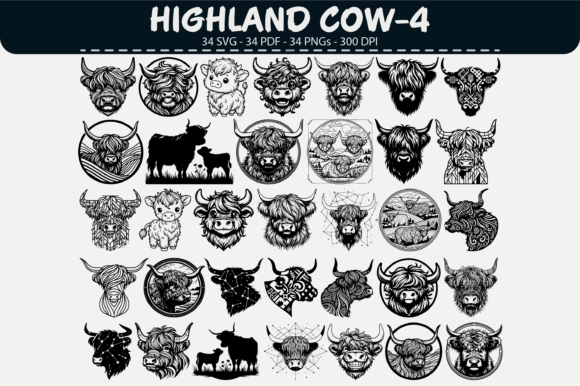
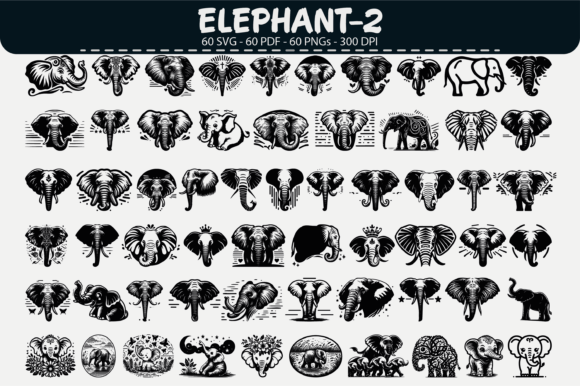
This premium collection features bold illustrations, decorative motifs, and playful elephant artwork, ranging from silhouettes to detailed tribal patterns. While the variety is extensive, users often make the mistake of applying complex designs to inappropriate surfaces. For instance, highly detailed tribal patterns may not translate well onto small items like stickers or jewelry tags due to size constraints. Intricate lines can blur or fill in when printed at a small scale or cut from vinyl.
To avoid this, always preview your design at the actual print size before committing to production. For smaller items, select the simpler, bold vector silhouettes or cute elephant illustrations with clean outlines. Reserve the ornamental details and artistic line work for larger canvases such as tote bags, posters, or wall art. This strategic selection ensures that the visual impact remains strong regardless of the medium.
Furthermore, consider the end-use when selecting designs. If you are creating t-shirts for sublimation, ensure you are using the PNG files with transparent backgrounds. Placing a design with a white background onto a colored shirt will result in an unsightly square box around the image. The included transparent PNGs eliminate this issue, allowing for seamless integration onto fabrics of any color.
Licensing and Commercial Use Considerations
For entrepreneurs and freelancers, understanding licensing terms is non-negotiable. While this collection is marketed towards print-on-demand items, sublimation projects, and digital crafting, it is essential to verify the specific license agreement provided with the download. Many creators assume that purchasing a clipart bundle grants unlimited commercial rights, but restrictions may apply regarding mass production or resale of the digital files themselves.
A significant error is reselling the SVG or PNG files as standalone digital products. This is typically prohibited. Instead, the value lies in incorporating these designs into finished physical goods or unique composite designs. For example, you can use the elephant silhouettes to create custom invitations, greeting cards, or home decor items. By transforming the raw assets into tangible products, you adhere to standard licensing practices while adding your own creative value. Always read the included license document carefully to avoid legal complications and protect your business reputation.
Technical Preparation and Workflow Efficiency
Efficiency in design workflows often hinges on preparation. Before starting a project, take time to familiarize yourself with the contents of the Elephant Vector Clipart – 60 Designs package. Browse through the thumbnails to identify which styles align with your current project needs. This pre-selection process saves time during the design phase, allowing you to focus on composition rather than searching for assets.
Additionally, ensure your software is up to date. Whether you are using Adobe Illustrator, CorelDRAW, Canva, or cutting machine software, compatibility with SVG and PNG files is standard but can vary in terms of editing capabilities. For best results, use vector-editing software when working with SVGs to modify colors, combine elements, or adjust paths. If you are a beginner, start with the PDF or PNG files in user-friendly platforms like Canva, keeping in mind the resolution limits of raster images.
Another overlooked detail is color management. Vector files often come in black or single colors by default. When preparing for print, ensure you convert colors to the appropriate color profile (CMYK for print, RGB for digital screens) to avoid unexpected color shifts. Test prints are invaluable, especially for sublimation projects where heat and fabric type can alter the final appearance. By conducting small test runs, you can adjust brightness, contrast, and size to achieve professional-grade results.
Making the Right Choice for Your Projects
Ultimately, the value of Elephant Vector Clipart – 60 Designs lies in its versatility and quality. By avoiding common pitfalls related to file formats, sizing, and licensing, you can leverage this collection to enhance your creative output. Whether you are designing home decor, scrapbooking layouts, or commercial merchandise, a thoughtful approach to asset utilization ensures satisfaction and professional results. Take the time to understand the tools at your disposal, and let these bold, artistic elephant illustrations inspire your next successful project.