Mastering Organic Design: The Artistic Power of Hand-Drawn Olive SVG Vectors
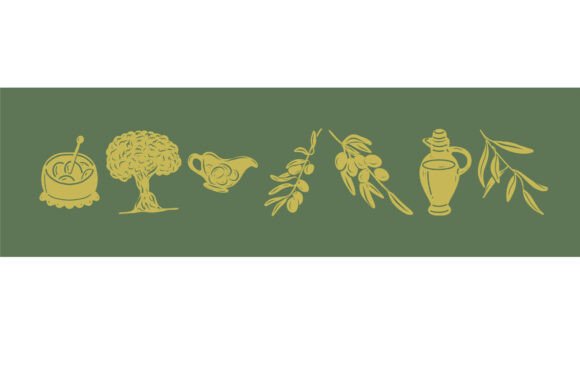
In the rapidly evolving landscape of digital design, there is a distinct and growing appreciation for assets that bridge the gap between technical precision and human touch. While automated tools and rigid geometric shapes have their place in corporate branding, modern creators are increasingly seeking resources that convey warmth, authenticity, and artistic flair. This is where the Olives Svg collection, featuring ink-drawn vectors in an expressive freeform style, becomes an invaluable resource. These graphics are not merely static images; they are versatile design elements that bring a sense of handcrafted elegance to both print and digital mediums.
The appeal of this specific olive set lies in its unique aesthetic approach. By utilizing an ink-drawn technique, the vectors capture the subtle imperfections and fluid lines characteristic of traditional illustration. This expressive freeform style offers a departure from the sterile perfection often found in stock vector libraries. For designers, crafters, and educators, understanding how to leverage these high-quality graphics can significantly elevate the visual impact of their projects, whether they are creating seasonal decorations, educational materials, or sophisticated brand identities.
The Aesthetic Appeal of Expressive Freeform Illustration
The term "freeform" in the context of vector art refers to a style that prioritizes organic flow over rigid structural constraints. When applied to an Olives Svg, this technique results in branches that twist naturally, leaves that vary in shape and size, and fruits that appear clustered as they would in nature rather than arranged in a perfect grid. This aesthetic is crucial for projects aiming to evoke feelings of nostalgia, warmth, or rustic charm.
Ink-drawn vectors specifically mimic the texture and weight variations of traditional pen-and-ink drawings. The clean lines mentioned in the design specifications are not just about clarity; they are about maintaining the integrity of the brushstroke or pen lift. This ensures that when the image is scaled up for a large banner or down for a business card, the artistic intent remains visible. The vibrant colors often associated with these sets—ranging from deep, rich greens to warm earthy browns and bright highlights—add a layer of visual interest that flat, single-color icons often lack.
Furthermore, the friendly style of these illustrations makes them approachable. In user experience design and educational content, approachability is key. An aggressive or overly complex graphic can distract or intimidate the viewer. In contrast, the soft, flowing lines of a hand-drawn olive branch invite the eye to wander across the page, creating a calming and engaging visual experience. This makes the Olives Svg set particularly effective for themes related to wellness, sustainability, food, and home decor.
Technical Advantages of SVG Format for Creative Projects
While the artistic style is the primary draw, the technical format—Scalable Vector Graphics (SVG)—is what makes these assets truly versatile for professional use. Unlike raster images such as JPEGs or PNGs, which are composed of pixels and can become blurry when enlarged, SVGs are defined by mathematical paths. This means that an olive leaf can be scaled from the size of a favicon to the size of a billboard without any loss in quality or sharpness.
For web designers and developers, this scalability translates to faster load times and cleaner code. SVG files are typically smaller in file size compared to high-resolution raster images, contributing to better website performance and SEO rankings. Additionally, SVGs are inherently accessible. They can be read by screen readers if properly tagged, and their colors and strokes can be manipulated via CSS. This allows a designer to change the color of the olives or the thickness of the ink lines dynamically based on user interaction or theme settings, a level of flexibility that static images cannot offer.
For print professionals, the benefit is equally significant. Print requires high resolution, typically 300 DPI or higher. Using a raster image for a large print run can result in pixelation if the original file was not sufficiently large. With an Olives Svg, the printer can output the image at any physical dimension with crisp, clean edges. This is particularly important for packaging design, where small details like the texture of the olive skin or the vein of a leaf need to remain distinct to convey quality and attention to detail.
Diverse Applications Across Industries
The versatility of the hand-drawn olive collection allows it to serve a wide array of industries and creative needs. Its application is not limited to a single niche but extends across seasonal, emotional, decorative, and educational themes.
Culinary and Hospitality Branding
Olive imagery is intrinsically linked to Mediterranean cuisine, health, and natural ingredients. Restaurants, cafes, and food product manufacturers can use these vectors to create logos, menu designs, and packaging that communicate freshness and artisanal quality. The ink-drawn style suggests a handmade, farm-to-table ethos that resonates with modern consumers who value authenticity. For example, a bottle of extra virgin olive oil wrapped in a label featuring these expressive freeform branches immediately conveys a premium, crafted product rather than a mass-produced commodity.
Educational and Informational Design
Seasonal and Decorative Crafts
For hobbyists and crafters, particularly those using cutting machines like Cricut or Silhouette, SVG files are the standard. The clean lines of the ink-drawn olives make them ideal for vinyl cutting, paper crafting, and embroidery patterns. The expressive style adds a touch of sophistication to holiday decorations, wedding invitations, and home decor items. During the autumn harvest season, these graphics can be combined with other fall elements to create warm, inviting displays. Similarly, for spring-themed projects, the fresh green tones of the olive leaves can symbolize renewal and growth.
Integrating Hand-Drawn Elements into Digital Workflows
Integrating these assets into a design workflow requires an understanding of how to manipulate vector paths effectively. Most professional design software, such as Adobe Illustrator, CorelDRAW, or Inkscape, allows users to edit individual nodes and curves within an SVG file. This means that a designer can take a pre-made olive branch from the set and customize it to fit a specific layout. They might extend a branch to frame a text box, remove certain leaves to reduce clutter, or change the color palette to match a brand’s specific guidelines.
When working with expressive freeform styles, it is important to maintain the integrity of the original stroke. Over-editing can strip away the hand-drawn character that makes the asset unique. Designers should aim to enhance rather than overhaul the original artwork. For instance, adding subtle textures or overlays can complement the ink-drawn look, but applying heavy gradients or drop shadows might clash with the flat, illustrative nature of the design.
Collaboration is another area where SVGs excel. Because they are text-based files, they can be easily shared and version-controlled among teams. A developer can inspect the code to optimize it for web use, while a designer can open the same file to adjust the aesthetics. This seamless transition between design and development stages streamlines the production process and ensures consistency across different platforms.
Considerations for Effective Usage
While the Olives Svg collection is designed for ease of use, there are considerations to keep in mind to ensure optimal results. Context is paramount. The expressive, informal style of ink-drawn vectors may not be suitable for highly corporate, legal, or financial contexts where rigidity and authority are preferred. However, for brands aiming to appear approachable, eco-friendly, or creative, this style is ideal.
Color theory also plays a crucial role. The vibrant colors mentioned in the design description should be chosen with care. Olive green pairs well with earth tones like terracotta, beige, and slate blue, creating a harmonious and natural palette. Contrasting these with bright accents can draw attention to specific elements, but overuse of contrasting colors can disrupt the visual flow. Designers should test their color combinations in both light and dark modes to ensure readability and aesthetic appeal across different devices.
Finally, licensing and attribution should always be respected. High-quality, hand-drawn assets represent significant artistic effort. Ensuring that the usage rights align with the intended project scope—whether personal, commercial, or editorial—is essential for ethical design practice. By respecting the creator’s work, designers contribute to a sustainable ecosystem of high-quality digital resources.
In conclusion, the Olives Svg set represents more than just a collection of images; it is a tool for storytelling. By combining the technical benefits of scalable vector graphics with the emotional resonance of hand-drawn ink illustrations, it empowers creators to produce work that is both visually stunning and deeply engaging. Whether used in a digital interface, a printed brochure, or a handmade craft, these expressive freeform vectors offer a timeless quality that enhances the overall design narrative.