Ramadan Shahrur Rahmah: Embracing the Month of Mercy Through Arabic Calligraphy Art
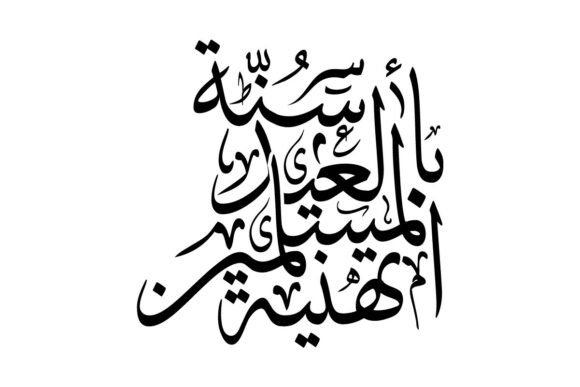
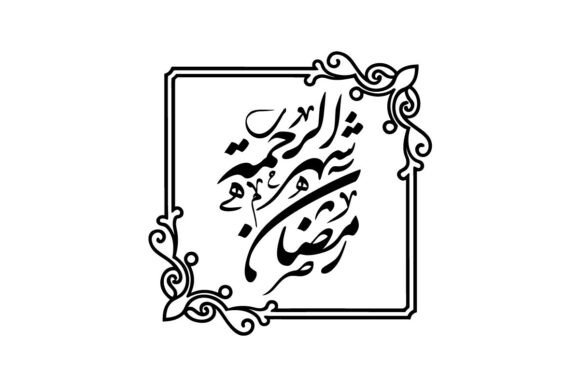
The arrival of Ramadan marks a profound shift in the spiritual rhythm for over a billion Muslims worldwide. It is a time defined by fasting, prayer, and deep introspection. Central to this holy month is the concept of Rahmah, or mercy. The phrase Ramadan Shahrur Rahmah translates beautifully to "Ramadan, the Month of Mercy," encapsulating the essence of these thirty days. In recent years, this sentiment has been immortalized through stunning works of art, particularly in the form of Arabic calligraphy. These artistic expressions are not merely decorative; they serve as visual reminders of divine compassion and spiritual renewal.
For those seeking to understand the intersection of faith, art, and culture, exploring the vector designs and artwork featuring this phrase offers a unique window into Islamic aesthetics. Whether used for religious posters, home decor, or digital media, these designs carry weight and meaning that transcend their visual appeal.
The Spiritual Significance of "Shahrur Rahmah"
To appreciate the artwork, one must first understand the text. In Islamic tradition, Ramadan is divided into three stages, with the first ten days specifically dedicated to mercy (Rahmah). This period is viewed as a time when the gates of heaven are open, and divine forgiveness is readily accessible to those who seek it with sincerity.
The phrase Ramadan Shahrur Rahmah is more than a greeting; it is a theological statement. It reminds believers that the core purpose of fasting is not just physical abstention but spiritual cleansing. By displaying this phrase in homes and community centers, individuals create an atmosphere conducive to reflection and kindness. It serves as a daily prompt to embody mercy in interactions with family, neighbors, and strangers alike.
Why Arabic Calligraphy?
Arabic calligraphy, known as Khat, holds a revered place in Islamic art. Because traditional Islamic teachings often discourage the depiction of sentient beings in religious contexts, artists channel their creativity into the written word. The Arabic script, with its flowing curves and geometric precision, is ideally suited for artistic expression.
When an artist renders Ramadan Shahrur Rahmah in calligraphy, they are engaging in an act of devotion. Each stroke is deliberate, requiring patience and focus—qualities that mirror the discipline of fasting itself. The resulting artwork transforms words into visual poetry, allowing viewers to "see" the beauty of the message before they even read it.
Modern Applications: From Vector Designs to Home Decor
In the digital age, the accessibility of high-quality Islamic art has expanded significantly. Vector designs have become a cornerstone of modern Islamic graphic design. Unlike raster images, which can lose quality when resized, vector graphics use mathematical paths to maintain crisp edges at any scale. This makes them ideal for a variety of applications:
- Religious Posters and Banners: Mosques and community centers use large-format prints to welcome worshippers.
- Digital Greetings: Social media cards and email newsletters feature these designs to share wishes during the holy month.
- Interior Design: Framed prints and wall decals bring spiritual ambiance to living rooms and offices.
- Merchandise: The designs appear on clothing, stationery, and gift items, blending faith with daily life.
The versatility of vector art means that a single design of Ramadan Shahrur Rahmah can be adapted for a small smartphone wallpaper or a massive billboard without losing its intricate details. This flexibility has allowed Islamic art to permeate modern visual culture in ways that were previously difficult to achieve.
Understanding the Aesthetic Elements
When analyzing a piece of calligraphy featuring this phrase, several elements contribute to its impact. Understanding these can help viewers appreciate the craftsmanship involved.
- Script Style: Artists may choose from various scripts such as Thuluth, known for its elegance and verticality, or Diwani, characterized by its curvaceous and dense composition. Each style evokes a different emotional response.
- Composition: The arrangement of letters often forms a shape, such as a crescent moon, a lantern (Fanoos), or a mosque dome. This symbolic layering adds depth to the meaning.
- Color Palette: Traditional gold and black combinations evoke luxury and reverence, while pastel tones might suggest softness and tranquility, aligning with the theme of mercy.
- Negative Space: Skilled calligraphers use empty space as actively as ink, creating balance and harmony within the design.
These elements work together to create a cohesive piece that is both visually striking and spiritually resonant. For beginners looking to collect or commission art, recognizing these details can enhance the selection process.
Common Misconceptions About Islamic Art
Despite its growing popularity, there are still misunderstandings surrounding Islamic calligraphy. One common assumption is that it is strictly traditional and resistant to change. However, contemporary artists are constantly innovating, blending classical techniques with modern graphic design principles. The vector designs seen today often incorporate minimalist aesthetics, abstract backgrounds, and typography trends that appeal to younger generations.
Another misconception is that non-Muslims cannot appreciate or utilize this art. In reality, the beauty of Arabic calligraphy is universal. Many people admire the geometric harmony and fluid lines regardless of their religious background. Displaying such art can foster cross-cultural understanding and appreciation for the rich heritage of the Arab and Islamic worlds.
Practical Tips for Incorporating Calligraphy into Daily Life
If you are inspired to bring the spirit of Ramadan Shahrur Rahmah into your environment, consider these practical steps:
Choose the Right Placement: Select a spot where the artwork will be seen frequently but not overwhelmed by clutter. Entryways and living areas are excellent choices for setting a tone of welcome and peace.
Match the Style to Your Space: If your home features modern minimalist decor, look for clean, simple calligraphic lines. For more traditional settings, ornate scripts with floral motifs may complement the existing aesthetic better.
Support Authentic Artists: When purchasing designs, try to support artists who specialize in Islamic art. This ensures that the cultural and religious nuances are respected and accurately represented. Many talented calligraphers sell their work online, offering both digital downloads and physical prints.
Use as a Educational Tool: For families, these artworks can serve as conversation starters. Explaining the meaning of Rahmah and the significance of Ramadan to children helps instill values of empathy and compassion from a young age.
The Role of Technology in Preserving Tradition
The digitization of Arabic calligraphy has played a crucial role in its preservation and dissemination. Software tools allow artists to experiment with forms and colors rapidly, leading to new creative possibilities. Moreover, online platforms enable the sharing of these designs globally, connecting artists with audiences across continents.
This technological integration does not diminish the traditional value of the art; rather, it amplifies it. By making high-quality Islamic art more accessible, technology helps keep the tradition alive and relevant in a fast-paced world. It allows the message of mercy to reach farther and faster than ever before.
Conclusion
The phrase Ramadan Shahrur Rahmah captures the heart of the holy month. Through the medium of Arabic calligraphy, this message is transformed into a visual experience that inspires and uplifts. Whether viewed as a religious symbol, a piece of cultural heritage, or a work of artistic beauty, these designs offer a meaningful connection to the values of mercy and compassion.
As we navigate our modern lives, integrating such art into our spaces serves as a gentle reminder to pause, reflect, and extend kindness to others. The fusion of traditional script with modern vector design ensures that this timeless message continues to resonate with diverse audiences, bridging gaps between past and present, faith and art. By appreciating and understanding these works, we enrich our own environments and contribute to a broader cultural dialogue centered on peace and unity.