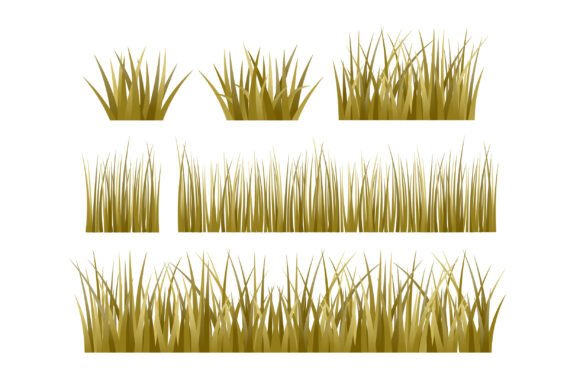
Strategic Application of Realistic Dry Grass Vector Illustration in Modern Design Workflows
In the realm of digital design and brand communication, texture is often the differentiator between a flat, forgettable asset and a compelling visual narrative. The Realistic Dry Grass Vector Illustration serves as a prime example of how specific, high-fidelity graphical elements can elevate a project’s aesthetic depth while maintaining the technical flexibility required for professional workflows. For entrepreneurs, marketers, and creative professionals, understanding the strategic utility of these assets goes beyond mere decoration; it involves leveraging them to enhance storytelling, improve user engagement, and streamline production processes.
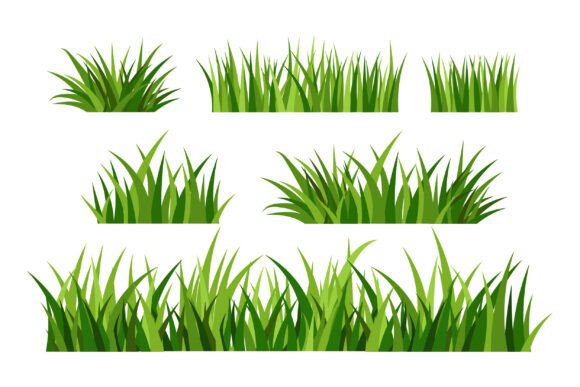
A set of realistic dry grass vector illustrations in different shapes and arrangements offers more than just visual appeal. It provides a toolkit for constructing natural landscapes, immersive backgrounds, or subtle decorative elements that resonate with audiences seeking authenticity. When you acquire this design, you receive printable, editable files in SVG, EPS, PNG, PDF, and JPG formats. This multi-format availability is not merely a convenience; it is a strategic asset that ensures compatibility across various platforms, from high-resolution print media to scalable web interfaces.
Enhancing Brand Authenticity Through Natural Textures
Modern consumers are increasingly drawn to brands that project authenticity and connection to nature. Whether you are developing packaging for organic products, designing a website for an eco-tourism agency, or creating editorial content for a lifestyle blog, the inclusion of natural elements can significantly influence perception. A Realistic Dry Grass Vector Illustration allows designers to inject organic warmth into digital spaces that might otherwise feel sterile or overly corporate.
The strategic value lies in the versatility of the asset. Unlike photographic images, which can be heavy, difficult to edit, and limited by resolution, vector illustrations offer infinite scalability without loss of quality. This means you can use the same grass element on a business card or a billboard, ensuring consistent brand identity across all touchpoints. By integrating these textures thoughtfully, you create a cohesive visual language that supports your brand’s positioning as grounded, reliable, and attuned to natural aesthetics.
Operational Efficiency and Workflow Optimization
For freelancers and small business owners, time is a critical resource. The ability to quickly integrate high-quality assets into a project can drastically reduce production timelines. Having access to a comprehensive set of realistic dry grass vectors in multiple formats eliminates the need to source, license, and edit separate images for different use cases. The inclusion of SVG and EPS files allows for easy manipulation of colors, shapes, and layers within design software like Adobe Illustrator or CorelDRAW. This editability empowers creators to customize the asset to fit specific color palettes or compositional needs without starting from scratch.
Consider the workflow implications for a marketing team launching a seasonal campaign. Instead of commissioning custom photography or spending hours creating textures manually, designers can deploy pre-made vector elements to build backgrounds rapidly. The PNG and JPG formats provide ready-to-use options for social media posts or web banners where editing is not required, while the PDF format ensures high-quality output for printed brochures or flyers. This flexibility supports agile marketing strategies, allowing teams to respond quickly to trends or deadlines without compromising on visual quality.
Strategic Considerations for Effective Implementation
While the availability of high-quality assets is advantageous, their effectiveness depends on intentional application. Using a Realistic Dry Grass Vector Illustration without a clear design objective can lead to visual clutter or mixed messaging. Before incorporating these elements, consider the following strategic questions:
- What is the primary goal of the design? Is the grass meant to serve as a background texture, a focal point, or a framing device? Understanding the role of the element helps determine its scale, opacity, and placement.
- Who is the target audience? Different demographics respond to varying levels of realism and stylistic interpretation. A minimalist audience may prefer sparse, subtle arrangements, while a rustic brand might benefit from dense, detailed clusters.
- How does it align with existing brand guidelines? Ensure that the color tones and style of the grass illustration complement your current visual identity. Consistency reinforces brand recognition and trust.
By approaching the use of these vectors with a planning mindset, you avoid the risk of random decoration. Instead, each element serves a purpose, contributing to a unified and persuasive visual argument. This deliberate approach enhances the overall user experience, guiding the viewer’s eye and reinforcing the intended message.
Risks of Unintentional Design Choices
One common pitfall in digital design is the overuse of textures without regard for context. Placing a highly detailed dry grass illustration against a busy background can reduce readability and distract from key information. Similarly, using incompatible color schemes can create visual dissonance, undermining the professionalism of the final product. These risks highlight the importance of testing and iteration. Designers should experiment with different arrangements and opacities to find the balance that enhances rather than overwhelms the content.
Furthermore, relying solely on aesthetic appeal without considering functional requirements can lead to technical issues. For instance, using a high-resolution PNG for a web background may slow down page load times, negatively impacting SEO and user retention. In such cases, leveraging the SVG format is a smarter decision, as it offers smaller file sizes and crisp rendering on all devices. Understanding these technical nuances is part of making informed design decisions that support long-term business goals.
Practical Use Cases Across Industries
The versatility of a Realistic Dry Grass Vector Illustration makes it suitable for a wide range of applications. Here are several practical examples where strategic use can yield significant results:
- Packaging Design: For brands selling natural or artisanal products, incorporating dry grass textures on labels or boxes can evoke a sense of craftsmanship and organic quality. This tactile visual cue can influence purchasing decisions by appealing to consumers’ desire for authenticity.
- Web and App Interfaces: Subtle background patterns created from grass vectors can add depth to landing pages or mobile apps without distracting from call-to-action buttons. This enhances user engagement by making the interface feel more inviting and less generic.
- Editorial and Publishing: Bloggers and publishers can use these illustrations to break up text, create section dividers, or enhance article headers. This improves readability and keeps readers engaged with visually interesting layouts.
- Event Branding: For weddings, retreats, or corporate events with a natural theme, these vectors can be used in invitations, signage, and promotional materials. Consistent use of the same asset family ensures a cohesive look across all event collateral.
Each of these use cases demonstrates how a single asset type can support diverse objectives when applied with strategic intent. The key is to adapt the arrangement and styling to fit the specific context, ensuring that the design serves the broader communication goal.
Long-Term Value and Asset Management
Investing in high-quality, versatile design assets like a set of realistic dry grass vectors contributes to long-term operational efficiency. By building a library of reusable elements, businesses and creators can maintain consistency across projects and reduce dependency on external resources. This autonomy allows for greater creative control and faster turnaround times, which are crucial in competitive markets.
Moreover, the editable nature of SVG and EPS files means that these assets can evolve with your brand. As design trends shift or brand identities refresh, you can modify existing vectors to align with new directions without needing to purchase new assets. This adaptability ensures that your initial investment continues to deliver value over time, supporting sustainable growth and innovation.
In conclusion, the Realistic Dry Grass Vector Illustration is more than a decorative element; it is a strategic tool for enhancing brand authenticity, improving workflow efficiency, and creating engaging visual experiences. By understanding its potential and applying it with intention, designers and business leaders can achieve better results, foster deeper connections with their audiences, and build a more resilient and adaptable visual identity. The decision to integrate such assets should be guided by clear goals, thoughtful planning, and a commitment to quality, ensuring that every design choice contributes to meaningful outcomes.