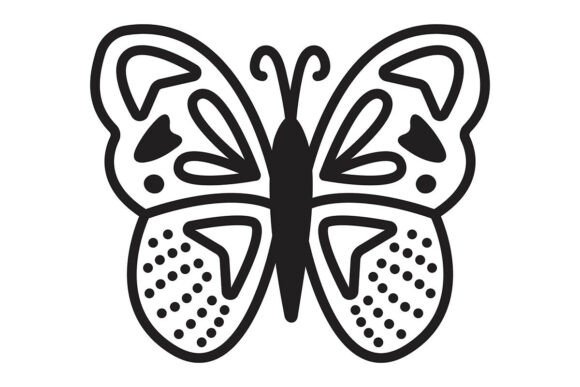
The Art of Simplicity: Understanding the Black Line Butterfly Illustration
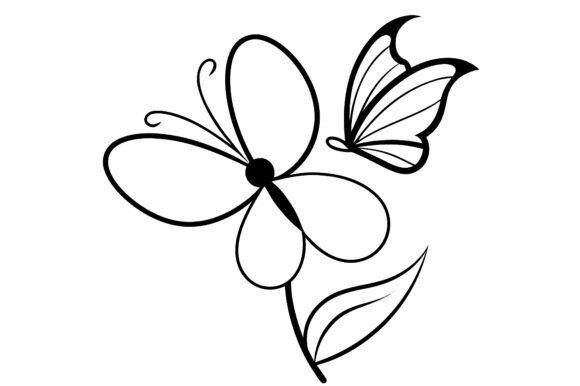
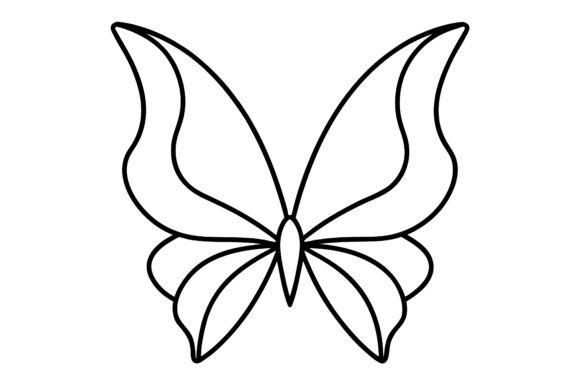
In the vast world of digital design and artistic expression, few motifs are as universally recognized and deeply symbolic as the butterfly. However, it is not merely the subject matter that captivates designers and art enthusiasts alike; it is the style in which it is rendered. The black line butterfly illustration has emerged as a cornerstone of modern minimalism, offering a blend of elegance, versatility, and timeless appeal. This specific aesthetic—characterized by delicate outlines, monochrome contrast, and intricate detailing on a stark white background—serves as more than just a decorative element. It represents a shift towards clarity and harmony in visual communication.
Defining the Minimalist Aesthetic
To truly appreciate the black line vector illustration, one must first understand the principles of minimalism that underpin it. Unlike complex, multi-colored paintings or photorealistic digital art, this style relies entirely on the power of the line. The artist uses varying weights of black ink—or digital equivalents—to define shape, texture, and depth. There are no gradients to hide behind, no colors to distract the eye. Every curve and angle must be intentional.
The result is a delicate butterfly that appears both fragile and strong. The wings, often the focal point of such illustrations, are rendered with beautiful detail that mimics the natural symmetry found in nature. Yet, by stripping away color, the illustration invites the viewer to focus on form and structure. This minimal monochrome style is not just an artistic choice; it is a functional one. It ensures that the image remains legible and impactful regardless of the size at which it is displayed, from a tiny favicon on a website to a large-scale wall mural.
The Versatility of Monochrome Design
One of the primary reasons this illustration style has gained such traction in creative industries is its unparalleled versatility. Because the design exists in high-contrast black and white, it integrates seamlessly into almost any color scheme or brand identity. Consider the following applications where this graceful outline adds significant value:
- Logo Design: Brands seeking a sophisticated, organic feel often utilize butterfly motifs. The clean lines ensure the logo remains recognizable even when printed in single-color formats, such as on receipts or embossed stationery.
- Tattoo Art: The delicate butterfly is a perennial favorite in the tattoo community. The black line style translates perfectly to skin, offering a timeless look that ages well and suits various body placements, from the wrist to the ribcage.
- Coloring Books: In the realm of adult coloring books, these illustrations provide the perfect canvas. The detailed wings offer enough complexity to be engaging, while the open spaces allow for creative freedom with colors.
- Nature-Themed Prints: For home decor, these prints add a touch of summer charm and artistic beauty without overwhelming a room’s existing palette.
Symbolism and Emotional Resonance
Beyond its technical merits, the butterfly carries profound symbolic weight. Across cultures, it represents transformation, rebirth, and the ephemeral nature of life. When rendered in a black line vector format, these meanings are subtly amplified. The absence of color removes temporal associations—there is no "spring green" or "autumn orange"—making the symbol feel eternal and universal.
This graceful and versatile outline adds a touch of harmony to creative projects because it balances complexity with simplicity. The intricate patterns on the wings suggest the complexity of nature, while the overall silhouette remains clean and uncluttered. This duality resonates with modern audiences who often seek balance in their chaotic lives. Whether used in a mindfulness app interface or a yoga studio’s branding, the image evokes a sense of calm and focused beauty.
Practical Applications in Modern Business and Technology
In the digital age, the utility of the black line butterfly illustration extends far beyond traditional print media. Web designers and UI/UX experts value vector graphics for their scalability. A vector file allows the image to be resized infinitely without losing quality, a crucial feature for responsive web design. Here is how businesses and educators can leverage this asset:
- Brand Identity Systems: Companies in the wellness, beauty, and eco-friendly sectors can use this illustration as a secondary brand element. It reinforces values of natural beauty and precision.
- Educational Materials: Biology textbooks and nature conservation websites can use these clear, detailed outlines to teach anatomy without the distraction of photographic noise. The clarity of the lines helps students identify wing structures and patterns.
- Digital Products: From printable planners to digital stickers, the high-contrast nature of the design ensures it looks crisp on both screens and paper. This makes it an ideal asset for creators selling digital downloads on platforms like Etsy or Creative Market.
Common Misconceptions About Minimalist Art
Despite its popularity, there are common misunderstandings regarding minimal line art. Some critics argue that black and white illustrations lack emotion or depth compared to full-color works. However, this view overlooks the skill required to convey texture and volume using only lines. The beautifully detailed wings in a high-quality vector illustration demonstrate a mastery of negative space and line weight that can be more emotionally resonant than a splash of bright color.
Another assumption is that minimal designs are "easy" to create. In reality, achieving the perfect balance in a delicate butterfly outline requires rigorous editing. Each line must serve a purpose. Removing unnecessary elements while retaining the essence of the subject is a challenging artistic endeavor. The final product may look simple, but the process is one of refinement and precision.
Integrating the Illustration into Your Creative Workflow
For designers and hobbyists looking to incorporate this style into their work, context is key. The white background typically associated with these vectors is not a limitation but a feature. It allows for easy isolation of the subject. Most graphic design software allows users to remove the background instantly, placing the black lines over photographs, textured papers, or colored blocks.
To maximize the impact of the black line butterfly, consider the following tips:
- Contrast is Crucial: Ensure there is sufficient contrast between the black lines and the background. If placing the image on a dark background, invert the colors to white lines for a striking neon-like effect.
- Scale Appropriately: Because the details are fine, avoid shrinking the image too much. If the lines become too thin, they may disappear in print or on low-resolution screens.
- Pair with Typography: The elegance of the butterfly pairs beautifully with serif fonts for a classic look, or clean sans-serif fonts for a modern, tech-forward aesthetic.
Conclusion: The Enduring Appeal of Line Art
The black line butterfly illustration is more than a trend; it is a testament to the enduring power of simplicity. In a world saturated with visual noise, the clarity of a monochrome vector offers a refreshing pause. It provides designers, artists, and businesses with a tool that is both aesthetically pleasing and highly functional. Whether you are designing a logo, choosing a tattoo, or decorating your home, this graceful outline offers a way to connect with the natural world through the lens of modern design.
By understanding the technical and symbolic depths of this art form, you can better appreciate its role in contemporary creativity. It invites us to look closer, to find beauty in the details, and to embrace the harmony that comes from stripping away the unnecessary. As we continue to navigate an increasingly digital and fast-paced existence, the quiet elegance of the black line butterfly remains a powerful reminder of the beauty found in balance and transformation.