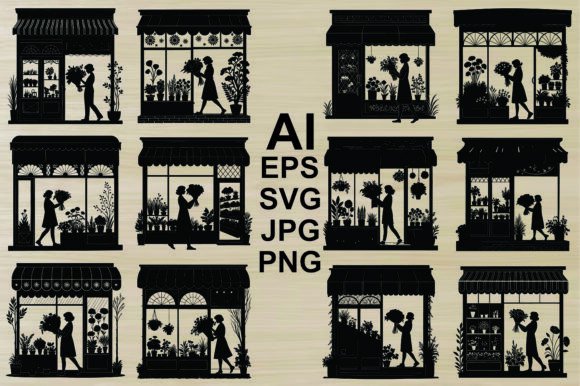
The Timeless Appeal of A Silhouette Bouquet in a Flower Shop
In the crowded digital marketplace, visual clarity is not just an aesthetic choice; it is a strategic necessity. A Silhouette Bouquet in a Flower Shop represents more than a simple graphic element. It embodies the intersection of classic botanical beauty and modern minimalist design. For creators, marketers, and business owners, understanding the utility of such imagery is crucial for building brand identities that resonate with contemporary audiences while honoring traditional craftsmanship.
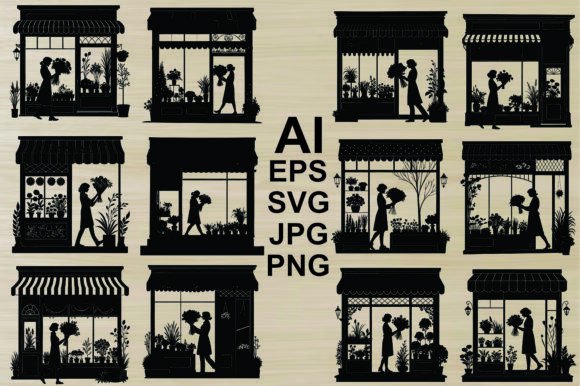
The image of a silhouette of a woman arranging flowers in a shop captures a moment of quiet professionalism and artistic dedication. It strips away the noise of color and complex background details, leaving only the essential forms: the florist, the bouquet, and the flower shop environment. This reductionist approach allows viewers to project their own narratives onto the scene, making it a versatile asset for various commercial and creative applications.
Why Minimalist Floral Imagery Resonates Today
Modern consumer habits have shifted toward appreciation for authenticity and simplicity. In an era of information overload, clean designs offer a visual respite. The use of black and white illustration styles, particularly silhouettes, aligns perfectly with this trend. These graphics are perceived as sophisticated, timeless, and uncluttered.
When we look at a florist silhouette, we are not distracted by specific flower varieties or seasonal color palettes. Instead, we focus on the act itself—the craft of arrangement. This universality makes the image applicable across different seasons and marketing campaigns. Whether promoting a spring sale or a winter wedding service, the silhouette remains relevant because it speaks to the core profession and service rather than transient trends.
Furthermore, the vintage and classic feel of silhouette art taps into a nostalgia for traditional retail experiences. It evokes the charm of a local storefront with its awning and shop window displays, reminding customers of the personal touch inherent in small business and commerce. This emotional connection is vital for brands aiming to differentiate themselves from large, impersonal competitors.
Versatility in Design and Commercial Application
The true power of a silhouette vector bundle lies in its adaptability. Designers and entrepreneurs require assets that can seamlessly integrate into diverse mediums. A high-quality silhouette of a woman arranging flowers can serve multiple functions:
- Branding and Logos: The clean lines of a silhouette make it ideal for logo design, ensuring scalability from business cards to storefront signage.
- Web Design: Used as hero images or section dividers, these graphics add elegance without slowing down page load times, especially when optimized correctly.
- Packaging: For floral businesses, incorporating silhouette art into wrapping paper or boxes enhances the unboxing experience, reinforcing the artistic nature of the product.
- Social Media Content: The high contrast of black and white graphics stands out in social feeds, capturing attention amidst colorful clutter.
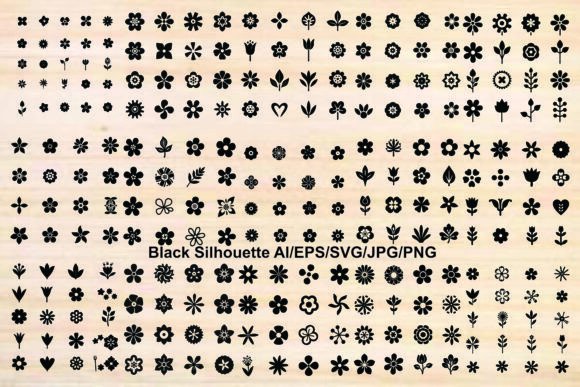
The context of the image also matters. A silhouette set against a white background and isolated from distractions offers maximum flexibility. Designers can easily place these elements over textured backgrounds, photographic scenes, or solid colors to match their brand guidelines. Whether depicting potted plants, hanging plants, or intricate arrangements, the isolated nature of the files ensures they can be layered creatively.
Technical Precision: The Importance of File Formats
For professional workflows, the format of digital assets is as important as the design itself. A comprehensive silhouette vector bundle should provide multiple file types to accommodate different software and use cases. Understanding these formats empowers users to leverage the designs effectively.
Typically, a robust bundle includes five key formats, often compressed into a single zip file. Users may need tools like WinZip or WinRAR, or simply double-click to extract them, depending on their operating system. Once extracted, the variety of files ensures compatibility:
- SVG (Scalable Vector Graphics): Ideal for web development and responsive design. SVGs maintain crisp edges at any size, making them perfect for icons and interactive elements.
- EPS (Encapsulated PostScript): The standard for professional printing and vector editing software like Adobe Illustrator. EPS files allow for infinite scaling without quality loss, essential for large-format prints like banners or vehicle wraps.
- AI (Adobe Illustrator): Native files for designers who wish to edit the vectors directly. This format provides full control over anchor points and paths, enabling customization of the floral shapes or the facade details.
- PNG (Portable Network Graphics): Best for digital use where transparency is needed. PNGs support alpha channels, allowing the silhouette to be placed over any background without a visible box around it.
- JPG (Joint Photographic Experts Group): Suitable for quick previews, social media posts, or documents where vector editing is not required. While not scalable, JPGs are universally compatible and easy to share.
Having access to all these formats in one zip file streamlines the creative process. It eliminates the need to convert files manually, which can often result in quality degradation. For freelancers and agencies, this efficiency translates to faster turnaround times and higher client satisfaction.
Enhancing Brand Narrative Through Visual Storytelling
Visuals are a primary driver of brand perception. A silhouette of a woman arranging flowers tells a story of care, expertise, and beauty. It humanizes the business, focusing on the profession behind the product. This is particularly effective for florists who want to highlight their craft and hobby-turned-career passion.
Incorporating elements like the exterior of the shop, the window display, or the decorative aspects of the interior adds depth to the narrative. It suggests a welcoming space, inviting customers to step inside. For online businesses, these visuals create a sense of place and trust, bridging the gap between digital browsing and physical experience.
Moreover, the simple and clean aesthetic of silhouette art aligns with modern lifestyle values. It appeals to consumers who appreciate mindfulness, nature, and intentional living. By using such imagery, brands can position themselves as aligned with these values, fostering deeper connections with their target audience.
Practical Recommendations for Creators and Business Owners
To maximize the impact of A Silhouette Bouquet in a Flower Shop graphics, consider the following best practices:
- Maintain Consistency: Use the same style of silhouette across all marketing materials to build a cohesive brand identity.
- Leverage Contrast: Ensure sufficient contrast between the silhouette and its background to maintain visibility and impact.
- Customize When Possible: Use AI or EPS files to tweak details, such as adding your brand’s specific flower types or adjusting the pose of the florist.
- Optimize for Web: Compress SVG and PNG files appropriately to ensure fast loading times without sacrificing quality.
- Tell a Story: Pair these visuals with copy that highlights the service, nature, and artistic aspects of your business.
Ultimately, the value of these designs lies in their ability to communicate complex ideas simply. They represent the domestic comfort of flowers in the home, the outdoors connection to nature, and the indoors refinement of professional arrangement. By integrating these silhouettes into your visual strategy, you tap into a powerful language of design that is both graphic and deeply human.
Whether you are a marketer looking for fresh assets, a blogger enhancing your content, or a florist rebranding your shop, embracing the elegance of silhouette art can elevate your presence. It is a reminder that in design, less is often more, and that the shadow of a flower can be just as compelling as the bloom itself.