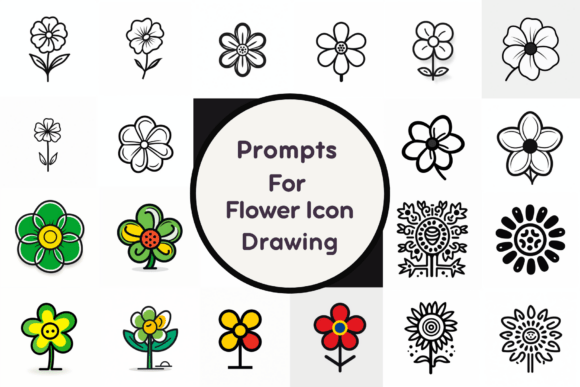
Unlocking Creativity with Prompt for Flower Icon Drawing
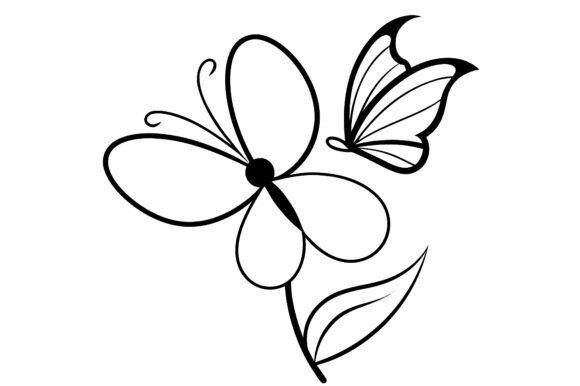
In the fast-paced world of digital design, simplicity often speaks louder than complexity. This is where the concept of a Prompt for Flower Icon Drawing becomes an invaluable asset for creators, marketers, and hobbyists alike. At its core, this prompt guides the creation of a simple yet elegant illustration that captures the essence of a flower using clean lines, minimal details, and balanced shapes. It is not merely about drawing a botanical specimen; it is about distilling nature’s beauty into a symbolic form that represents growth, freshness, and vitality. Whether you are designing a mobile app interface, crafting a brand logo, or looking for decorative elements for a personal project, understanding how to leverage this specific artistic direction can significantly elevate your visual communication.
The Power of Minimalism in Digital Design
Modern design trends have shifted decisively toward minimalism. Users are overwhelmed with information, and their attention spans are shorter than ever. A Prompt for Flower Icon Drawing addresses this by stripping away unnecessary clutter. When you utilize this approach, you are focusing on the fundamental geometry of the flower—petals, stem, and center—without getting lost in intricate textures or realistic shading. This stylized representation ensures that the icon remains legible even at small sizes, such as on a smartphone screen or within a navigation bar.
For UI/UX designers, this is critical. An icon must be instantly recognizable. A complex, hyper-realistic rose might look beautiful in a large print, but when shrunk to 24 pixels, it becomes a blurry mess. In contrast, an icon generated from a well-crafted flower prompt retains its integrity. The clean lines and balanced shapes ensure that the user immediately understands the symbol, whether it represents a "nature" category, a "beauty" product, or a "growth" metric in a fitness app.
Real-World Applications Across Industries
The versatility of flower icons means they are not confined to florists or gardening blogs. Their symbolic nature allows them to permeate various industries, each benefiting from the inherent positive associations of flowers.
Branding and Identity
Startups in the wellness, organic food, and sustainable fashion sectors frequently turn to floral imagery to convey their values. A Prompt for Flower Icon Drawing helps these brands create logos that feel approachable and earth-friendly. For instance, a skincare brand focusing on natural ingredients might use a stylized chamomile or lavender icon. The minimal design suggests purity and transparency, aligning perfectly with the brand’s message. By avoiding overly ornate designs, the brand appears modern and trustworthy rather than dated or excessive.
App Development and User Interface
In the realm of application development, icons serve as navigational beacons. Consider a meditation app. Using a lotus flower icon, derived from a precise prompt, can symbolize peace and mindfulness. Because the design is based on clean lines and minimal details, it integrates seamlessly with various color schemes and dark modes. Developers appreciate this flexibility because it reduces the need for multiple asset variations. The same icon can be outlined for a light theme and filled for a dark theme without losing its aesthetic appeal.
Educational and Editorial Content
Bloggers, educators, and content creators often need visual breaks in their text to maintain reader engagement. Inserting a delicate flower icon can soften the tone of an article, making it feel more inviting. For example, an article about spring cleaning tips might use a daffodil icon to section off different tips. The visual cue helps break up walls of text, improving readability and keeping the audience engaged. The elegance of the icon adds a touch of professionalism, suggesting that the content is curated and thoughtful.
Who Benefits from This Approach?
The utility of a Prompt for Flower Icon Drawing extends beyond professional graphic designers. It serves a diverse audience, each finding unique value in its simplicity.
- Non-Designers and Small Business Owners: Not everyone has access to a dedicated design team. Entrepreneurs creating their own websites or social media graphics can use these prompts with AI image generators or simple vector tools to produce high-quality assets quickly. This democratizes design, allowing small businesses to compete visually with larger corporations.
- Web Developers: Developers often need placeholder graphics or functional icons during the prototyping phase. Having a reliable prompt that generates consistent, clean flower icons allows them to build out interfaces rapidly without waiting for final design assets.
- Digital Artists and Illustrators: Even seasoned artists can experience creative block. Using a structured prompt as a starting point can spark new ideas. It forces the artist to focus on shape and composition rather than getting bogged down in detail, often leading to fresh, innovative interpretations of familiar subjects.
Considerations for Effective Implementation
While the benefits are clear, successfully implementing a Prompt for Flower Icon Drawing requires some strategic thinking. It is not just about generating an image; it is about ensuring that the image serves its intended purpose.
Context is King. Before choosing a specific flower, consider the cultural and emotional connotations. A red rose implies romance, while a sunflower suggests happiness and energy. Ensure that the flower type aligns with the message you are trying to convey. Additionally, think about the surrounding design elements. A minimalist flower icon pairs best with ample white space and sans-serif typography. Cluttering the area around the icon will negate the benefits of its clean design.
Consistency Matters. If you are using flower icons across a website or app, ensure they share a common style. Do not mix hand-drawn, sketchy flowers with geometric, vector-based ones. Stick to the principles of the prompt: clean lines, minimal details, and balanced shapes. This consistency creates a cohesive visual identity that enhances user trust and recognition.
Scalability and Format. Always consider where the icon will be used. For digital screens, SVG (Scalable Vector Graphics) is the preferred format because it remains crisp at any size. If you are generating raster images (like PNG or JPG), ensure they are high-resolution enough to handle zooming or retina displays. The simplicity of the design makes it easier to convert into vector formats, which is a significant advantage for long-term usability.
Navigating Potential Limitations
It is important to acknowledge that minimalism has its limits. A Prompt for Flower Icon Drawing may not be suitable for projects that require high emotional impact through realism or intricate detail. For example, a botanical textbook or a high-end luxury perfume campaign might require photorealistic imagery to convey specificity and opulence. In these cases, the stylized nature of the icon might feel too generic or informal.
Furthermore, because flower icons are so popular, there is a risk of cliché. To avoid this, experiment with unusual flower species or abstract interpretations. Instead of the standard tulip or daisy, consider using a protea, an orchid, or a wildflower. Altering the perspective or combining the flower with other geometric shapes can also help create a unique visual identity that stands out in a saturated market.
Ultimately, the Prompt for Flower Icon Drawing is a tool for clarity and elegance. It invites us to appreciate the beauty of nature through the lens of modern design. By focusing on essential forms and removing the non-essential, we create visuals that are not only aesthetically pleasing but also highly functional. Whether you are building a brand, designing an app, or simply adding a touch of nature to your digital space, embracing this minimalist approach can lead to more effective and engaging visual communication.