Duck Vector Illustration Silhouette: A Practical Guide to Digital Design Assets
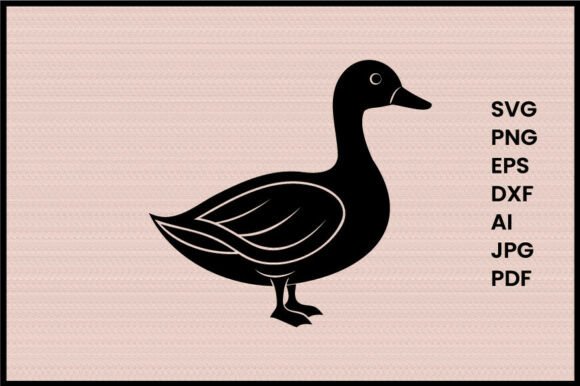
In the evolving landscape of digital design and print-on-demand services, the choice of graphic assets can significantly impact the quality and versatility of a final product. Among the myriad options available, a Duck Vector Illustration Silhouette stands out as a particularly versatile resource for creators ranging from hobbyist crafters to professional graphic designers. This specific type of asset combines the clean, scalable nature of vector graphics with the aesthetic appeal of organic silhouettes, often enhanced with decorative details.
Understanding the distinct characteristics of these files, how they compare to raster images, and where they fit best in a creative workflow is essential for making informed decisions. Whether you are designing wedding invitations, custom apparel, or home decor, evaluating the technical and artistic merits of a duck silhouette vector can save time, reduce costs, and elevate the professional finish of your projects.
Defining the Asset: What Makes Vector Silhouettes Distinct?
A Duck Vector Illustration Silhouette is not merely a picture of a duck; it is a mathematical representation of shapes, lines, and curves. Unlike standard photographs or pixel-based images (raster graphics), vectors are defined by paths rather than grids of colored pixels. This fundamental difference grants them unique properties that are critical for high-quality printing and scaling.
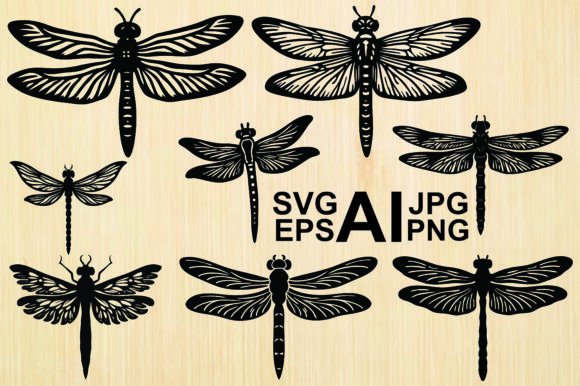
The "silhouette" aspect refers to the solid shape of the subject, typically rendered in black against a white or transparent background. However, modern interpretations often include decorative feather details within the silhouette. These internal cutouts or negative spaces add depth and visual interest without compromising the clean edges that define a silhouette. When you download a package containing formats like AI, EPS, SVG, DXF, PDF, JPG, and PNG, you are acquiring a multi-purpose toolkit designed to bridge the gap between digital creation and physical production.
The Advantage of Scalability and Resolution Independence
The primary benefit of using a vector-based duck illustration is resolution independence. In practical terms, this means the image can be scaled from the size of a postage stamp to the dimensions of a billboard without any loss of clarity. There are no jagged edges or pixelation, regardless of how much you enlarge the file. This is particularly important for print-on-demand services where the same design might be applied to a small sticker one day and a large tote bag the next.
For users comparing options, this scalability eliminates the need to create multiple versions of the same design for different products. A single high-resolution vector file serves all purposes, streamlining the workflow and ensuring consistency across various media.
Comparing Formats: Choosing the Right File for Your Project
When you acquire a digital product labeled as a Duck Vector Illustration Silhouette, you will typically receive a bundle of file formats. Understanding the specific use case for each format is crucial for efficient design work. Not every file type is suitable for every application, and choosing the wrong one can lead to frustration or poor print quality.
- AI and EPS: These are the industry-standard editable vector formats. Adobe Illustrator (AI) and Encapsulated PostScript (EPS) files allow designers to modify individual elements of the duck illustration. You can adjust the curve of the wing, change the thickness of the decorative feather details, or recolor specific sections. These are best for professional designers who need full creative control.
- SVG: Scalable Vector Graphics are widely supported by web browsers and cutting machines like Cricut or Silhouette. If your goal is to create vinyl decals or web-based graphics, SVG is often the most convenient choice due to its compatibility and small file size.
- DXF: Drawing Exchange Format is primarily used for CAD software and certain older cutting machines. It is a niche format but essential for users working with specific industrial or hobbyist hardware that does not support SVG or AI.
- PNG and JPG: These are raster images. While they lack the scalability of vectors, they are ready-to-use for immediate applications. PNGs with transparent backgrounds are ideal for digital mockups, social media posts, or overlaying the duck image onto existing designs without a white box around it. JPGs are suitable for standard document insertion where transparency is not required.
- PDF: Portable Document Format is excellent for direct printing. If you are creating greeting cards or invitation cards at home, a high-quality PDF ensures that the printer interprets the vector data correctly, maintaining sharp edges.
By offering this comprehensive range, a well-packaged digital product accommodates both the novice user who wants to "download and print" immediately and the advanced designer who requires editable source files.
Evaluating Use Cases: From Wedding Cards to Apparel
The versatility of a black silhouette with decorative feather details makes it suitable for a wide array of applications. However, the suitability depends largely on the aesthetic tone of the project and the technical requirements of the production method.
Stationery and Event Design
For wedding cards, greeting cards, and invitation cards, elegance and clarity are paramount. A duck silhouette, particularly one with intricate feather details, offers a sophisticated, minimalist look that pairs well with typography. The high contrast of black on white ensures legibility and visual impact. When using these files for stationery, the vector format ensures that even fine details in the feathers remain crisp after printing, avoiding the blurriness that can occur with low-resolution raster images.
Print-on-Demand and Apparel
In the realm of t-shirts, mugs, and stickers, durability and print quality are key considerations. Vector files are preferred for screen printing and vinyl heat transfers because they provide clean cut lines. For direct-to-garment printing, the high-resolution JPG or PNG included in the package can be used effectively, provided the resolution is sufficient (typically 300 DPI at the desired print size). The simplicity of a silhouette design often translates well to fabric, where overly complex gradients or colors might not reproduce accurately.
Home Decor and Crafts
DIY enthusiasts often use these designs for cutting machines to create wall art, wooden signs, or iron-on patches. The DXF and SVG formats are indispensable here. The "decorative feather details" mentioned in the product description serve a functional purpose as well as an aesthetic one; they can act as bridges in vinyl cutting to prevent small pieces from falling out, or they can be used as stencil guides for painting.
Tradeoffs and Limitations: When to Look Elsewhere
While a Duck Vector Illustration Silhouette is a powerful tool, it is not a universal solution for every design need. Recognizing its limitations helps in making balanced decisions.
Lack of Photorealism: If your project requires a lifelike, textured representation of a duck—such as for a nature documentary poster or a scientific illustration—a silhouette is not appropriate. Silhouettes abstract the subject into shape and form, removing color variation, lighting, and texture. In such cases, a high-resolution photograph or a detailed digital painting would be a better alternative.
Complexity of Editing: While vector files are editable, they require specific software skills. Users unfamiliar with tools like Adobe Illustrator or Inkscape may find AI and EPS files difficult to manipulate. For these users, sticking to the provided PNG or JPG files, or using pre-made templates that do not require modification, is a more practical approach.
Color Constraints: Silhouettes are inherently monochromatic or limited in color palette. If a design demands vibrant, multi-colored imagery, a simple black silhouette may appear too stark or incomplete. However, this can be mitigated by using the vector paths as a base for adding custom colors, provided the user has the necessary design skills.
Making the Right Choice: Decision Factors
When deciding whether to utilize a duck vector silhouette for your next project, consider the following factors:
- End Product Size: Will the design be scaled significantly? If yes, vector is mandatory.
- Production Method: Are you using a cutting machine, screen printer, or home inkjet? Cutting machines require vector paths (SVG/DXF); home printers can handle PDF/PNG.
- Design Skill Level: Do you need to edit the shape? If not, raster formats (PNG/JPG) are easier to handle.
- Aesthetic Goal: Does the project benefit from minimalism and high contrast? If so, the silhouette style is ideal.
In conclusion, a Duck Vector Illustration Silhouette with decorative details is a robust, flexible asset for a variety of creative endeavors. Its value lies in its adaptability across formats and scales. By understanding the strengths of vector graphics and selecting the appropriate file type for your specific needs, you can ensure high-quality results whether you are printing a single greeting card or launching a line of custom apparel. Always verify the license terms for commercial use if you plan to sell products featuring these designs, and choose the format that aligns best with your technical capabilities and production requirements.