The Strategic Appeal of Floral Cat Illustration in Modern Visual Branding
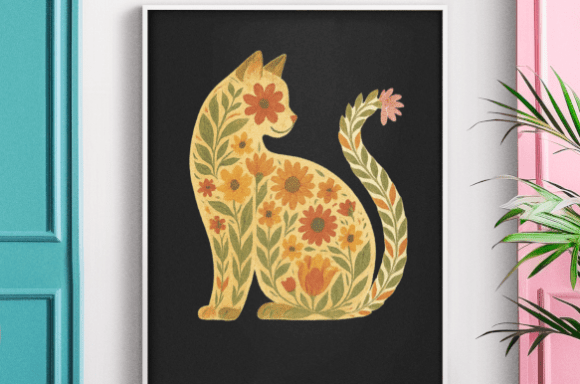
In the evolving landscape of digital design and visual communication, the demand for imagery that balances whimsy with sophistication has never been higher. At the intersection of nature-inspired aesthetics and contemporary graphic trends lies the Floral Cat Illustration. This specific artistic motif is not merely a decorative element; it represents a convergence of consumer psychology, branding strategy, and aesthetic preference. A beautifully crafted folk-art style illustration of a cat, filled with intricate floral patterns in warm earthy tones, offers more than just visual appeal. It provides a narrative device that resonates deeply with modern audiences seeking authenticity, warmth, and connection in their daily interactions with brands and media.
Defining the Aesthetic: More Than Just Decor
To understand the impact of this design choice, one must first define what constitutes a high-quality Floral Cat Illustration. It is characterized by a harmonious blend of organic forms and structured composition. The design features blooming flowers and leafy details, creating an artistic representation that feels both grounded and imaginative. Unlike generic clip art, these illustrations rely on intricate detailing and a cohesive color palette dominated by warm earthy tones—terracotta, sage green, mustard yellow, and deep browns.
This style draws heavily from folk-art traditions, where storytelling through pattern is paramount. The cat, often a symbol of independence and mystery, is softened by the surrounding flora, suggesting a symbiotic relationship between the domestic and the natural world. For creators and marketers, this duality is powerful. It allows for the communication of complex brand values—such as sustainability, comfort, and creativity—through a single, static image. The result is a visual asset that feels handcrafted and intentional, standing in stark contrast to the sterile, corporate minimalism that dominated the previous decade.
Market Trends Driving the Demand for Nature-Inspired Art
The rising popularity of the Floral Cat Illustration is not an isolated phenomenon. It is part of a broader shift in consumer preferences toward biophilic design and nostalgic comfort. As digital fatigue increases, audiences are gravitating toward visuals that evoke a sense of calm and tangibility. This trend is evident across various industries, from home decor and fashion to tech interfaces and publishing.
The Rise of "Warm Minimalism" and Folk Revival
Modern consumers are moving away from cold, ultra-modern aesthetics in favor of "warm minimalism." This approach retains clean lines but incorporates texture, organic shapes, and earthy colors. The folk-art style fits perfectly within this framework. It offers the simplicity required for quick digital consumption while providing the depth needed for prolonged engagement. Brands utilizing these illustrations signal an awareness of cultural currents, positioning themselves as approachable and human-centric.
Sustainability and Ethical Branding
Furthermore, the use of nature-inspired designs aligns with the growing emphasis on sustainability. While the illustration itself is digital, its thematic content reinforces a connection to the environment. For entrepreneurs and marketers, integrating a Floral Cat Illustration into packaging, social media campaigns, or website headers can subtly reinforce a brand’s commitment to ecological values. It serves as a visual shorthand for "natural," "organic," and "eco-friendly," appealing to conscientious consumers without the need for explicit textual claims.
Practical Applications for Professionals and Creators
For freelancers, designers, and business owners, understanding how to deploy these assets effectively is crucial. The versatility of the floral cat motif allows it to function across multiple touchpoints in a customer journey. Here are several practical contexts where this illustration style adds significant value:
- Brand Identity and Logo Design: Small businesses, particularly those in the pet care, wellness, or artisanal sectors, can use a simplified version of the illustration as a logo mark. The intricate details can be scaled down for favicon use or expanded for large-format printing, ensuring consistency across platforms.
- Packaging Design: In the retail space, shelf appeal is critical. A package featuring a beautifully crafted folk-art style illustration stands out against competitors using bold, aggressive typography. The warm earthy tones create a premium feel, suggesting quality and care in the product’s creation.
- Digital Content and Social Media: On platforms like Instagram and Pinterest, aesthetic cohesion drives engagement. Using a consistent style of Floral Cat Illustration across posts helps establish a recognizable visual language. These images are highly shareable, often serving as inspiration for mood boards and lifestyle content.
- Editorial and Publishing: Book covers, magazine layouts, and blog headers benefit from the narrative quality of folk art. The illustration can set the tone for articles related to mental health, creativity, or home living, providing a welcoming entry point for readers.
Workflow Integration and Technical Considerations
Integrating such detailed illustrations into modern workflows requires attention to technical specifications. For professionals, the key lies in balancing file size with visual fidelity. High-resolution vectors are ideal for print applications, allowing for infinite scalability without loss of quality. For web use, optimized SVGs or compressed PNGs ensure fast loading times while maintaining the intricacy of the floral patterns.
Moreover, accessibility must remain a priority. When using complex illustrations, designers should ensure sufficient contrast between the image and any overlaid text. Alt text descriptions should be descriptive, mentioning the Floral Cat Illustration and its key elements to aid screen readers. This practice not only improves user experience for individuals with disabilities but also enhances SEO performance by providing context to search engines.
Why Audiences Are Paying Attention
The resonance of this design style stems from its ability to evoke emotion. In an increasingly automated world, there is a profound longing for the "handmade" feel. Folk art, by definition, implies human touch and cultural heritage. When viewers encounter a cat filled with intricate floral patterns, they perceive effort, artistry, and care. This perception builds trust.
Additionally, the subject matter—the cat—is universally beloved. Cats represent comfort, companionship, and quiet observation. By merging this familiar subject with the beauty of nature, the illustration creates a sense of harmony. It offers a moment of pause in a chaotic digital feed. For marketers, this emotional connection is invaluable. It transforms passive viewers into engaged participants who feel a personal affinity for the brand presenting the image.
Future-Proofing Your Visual Strategy
As we look forward, the relevance of nature-inspired, folk-art styles shows no sign of diminishing. If anything, the desire for authentic, meaningful visual communication is intensifying. Professionals who adopt these aesthetics now are positioning themselves ahead of the curve. They are acknowledging that design is not just about function, but about feeling.
To leverage this trend effectively, consider the following strategic steps:
- Audit Your Current Visuals: Assess whether your current imagery feels cold or disconnected. Identify opportunities where a warmer, more organic style could improve engagement.
- Collaborate with Specialized Artists: Rather than relying on stock libraries, consider commissioning custom Floral Cat Illustrations. This ensures uniqueness and allows for tailored adjustments to match your specific brand colors and values.
- Test and Iterate: Use A/B testing to determine how these illustrations perform compared to traditional photography or geometric graphics. Monitor metrics such as click-through rates, time on page, and social shares.
- Maintain Consistency: Once you adopt this style, apply it consistently across all channels. Consistency builds recognition and reinforces brand identity.
Conclusion
The Floral Cat Illustration is more than a passing trend; it is a reflection of deeper cultural shifts toward authenticity, sustainability, and emotional connection. For professionals, creators, and entrepreneurs, it offers a powerful tool for differentiation in a crowded marketplace. By embracing the intricate beauty of folk-art styles and the calming presence of nature-inspired designs, businesses can create visual narratives that resonate on a human level.
Whether used in packaging, digital marketing, or editorial content, these illustrations provide a bridge between the brand and the consumer. They invite viewers to slow down, appreciate the details, and connect with the underlying values of warmth and harmony. In doing so, they transform simple visual assets into strategic advantages, driving engagement and fostering loyalty in an ever-changing digital landscape.